The Truckload Standard.
Priced in Two Minutes.
One shipment, one sealed trailer, one driver, dock to dock with zero terminal stops. Instant full truckload rates on dry van, flatbed, and reefer in all 50 states.
Quote Your Full Truckload Shipment
What is full truckload shipping?
Full truckload, FTL for short, dedicates an entire 53-foot trailer to a single shipment. Your freight is loaded once at your dock, sealed, and driven straight to the destination. It never passes through a terminal, never gets cross-docked, and never shares space with another shipper’s cargo.
That direct routing makes FTL the fastest, most secure way to move serious volume. Transit runs on drive time, not a hub-and-spoke network, and the only hands on your freight are the ones that load and receive it. AFX dispatches full truckload capacity in all 50 states across dry van, flatbed, and reefer, with spot rates for one-off moves and dedicated lanes for recurring volume.
FTL is the right call when:
- ✓You are shipping 10 or more pallets, or 15,000 lbs and up
- ✓The load is high-value, fragile, or sensitive to re-handling
- ✓The deadline cannot absorb LTL terminal delays
- ✓Freight needs to stay sealed and exclusive, dock to dock
Three Ways to Run a Truckload
Match the trailer to the commodity. We quote all three instantly, from the same form.
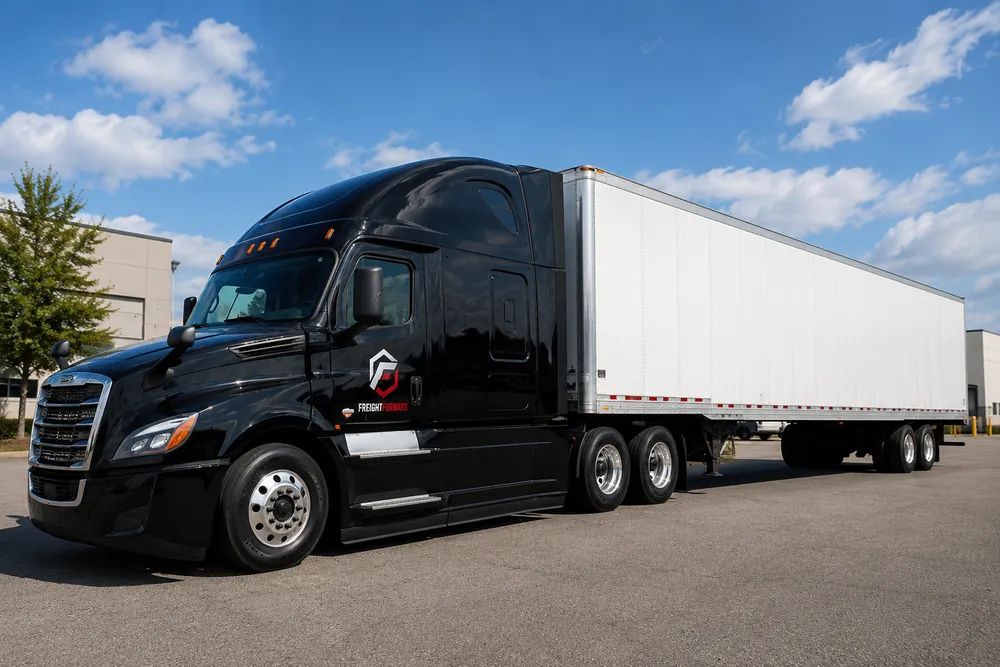
Dry Van FTL
The workhorse of truckload freight. Enclosed 53-foot trailers for palletized, boxed, and shrink-wrapped goods that need protection from weather and handling.
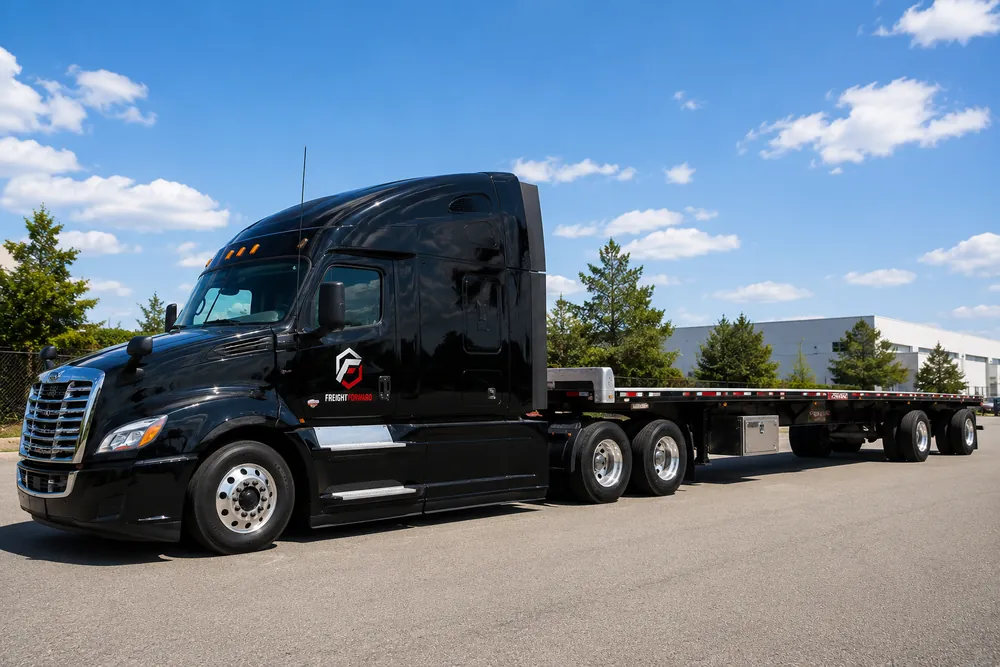
Flatbed FTL
Open-deck truckload for steel, lumber, machinery, and building materials. Side and overhead loading, full securement, tarping on request.
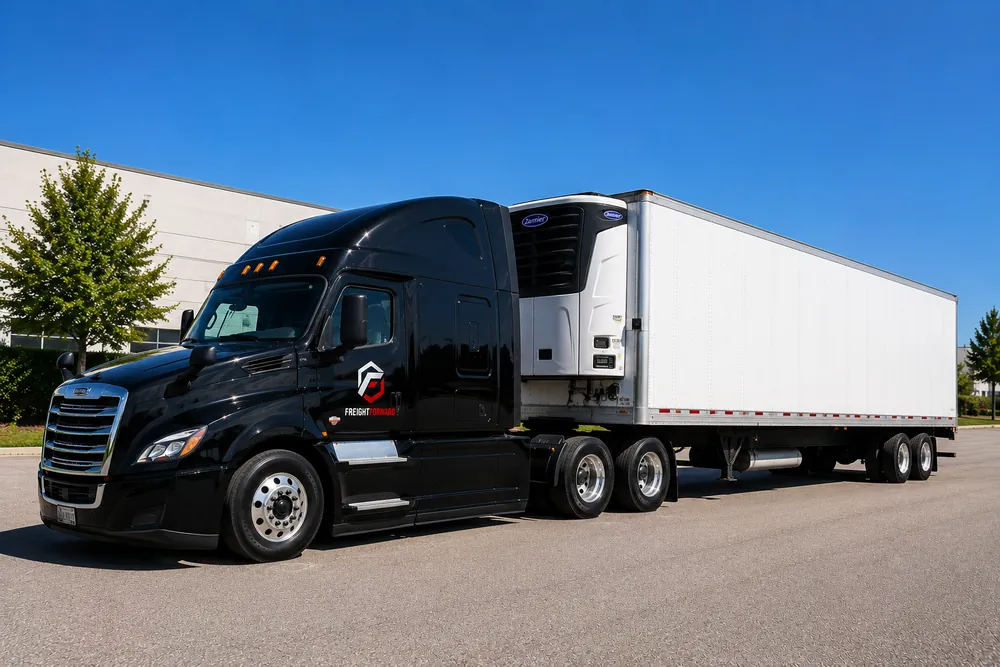
Reefer FTL
Temperature-controlled truckload, pre-cooled to spec before loading and monitored the whole way. Frozen, fresh, and protect-from-freeze programs.
Evidence Before Claims.
People Before Promotion.
Dock to Dock in Four Steps
Quote It
Enter the lane, pick the equipment, and see a live full truckload rate in about two minutes. No account, no waiting.
Book It
Lock the rate online. A dedicated freight specialist confirms pickup windows and vets the carrier behind the scenes.
Seal It
One driver loads at your dock, seals the trailer, and rolls. Direct routing with zero terminals and zero re-handling.
Track It
Follow the load on live GPS to delivery. The POD hits your inbox at the receiver, with every document filed in your account.
FTL vs. Partial vs. LTL
Choosing the right mode is the easiest way to cut freight costs. Here is how FTL, partial, and LTL compare.
| Criteria | Full Truckload | Partial Truckload | LTL |
|---|---|---|---|
| Trailer space | Entire 53-ft trailer | Shared, 6 to 18 linear ft | Shared, 1 to 6 pallets |
| Typical load | 10+ pallets or 15,000+ lbs | 5,000 to 20,000 lbs | 150 to 10,000 lbs |
| Handling | Loaded once, sealed through | Stays on one trailer | Cross-docked at terminals |
| Transit | Fastest, fully direct | Near-direct | Slowest, hub to hub |
| Pricing basis | Per mile, all-in | Linear feet, no freight class | NMFC freight class |
| Best for | Volume, value, and deadlines | Big loads that don’t fill a truck | Small, flexible freight |
Still weighing the two big ones? Read our FTL vs. LTL guide or jump straight to partial truckload for the middle ground.
How Fast Does FTL Move?
A solo driver legally covers about 500 miles a day under hours-of-service rules. Team drivers roughly double it for time-critical freight.
The Truckload Partner
Serious Shippers Keep.
Anyone can cover a load when the market is soft. AFX is built for the other weeks: vetted capacity, one accountable specialist, and pricing that holds from quote to invoice, every single time.
Start Shipping TodayFTL Capacity Where You Ship
Daily truckload coverage in all 50 states, with deep capacity in the busiest markets.
Truckload freight by industry
Full Truckload Shipping FAQs
Full truckload shipping dedicates an entire trailer, usually a 53-foot dry van, flatbed, or reefer, to a single shipment. The freight is loaded once at the shipper’s dock, sealed, and driven directly to the destination with no terminal stops, no cross-docking, and no other shippers’ cargo on board. That makes FTL the fastest and lowest-risk way to move large volumes of freight.
FTL is priced per mile for the whole trailer: a linehaul rate plus a fuel surcharge. The biggest factors are the lane (origin and destination markets), equipment type, lead time, and where the spot market sits that week. Rather than relying on published averages, we price your exact lane in real time. Enter it once and you will see the real number in about two minutes.
Once you are past roughly 6 to 10 pallets or 15,000 lbs, FTL becomes cost-competitive with LTL. For fragile, high-value, or time-critical freight it can win at even lower volumes, because the load stays sealed on one trailer and moves direct instead of through a terminal network.
FTL transit is governed by drive distance and federal hours-of-service rules. A solo driver covers roughly 500 miles per day, so a 1,000-mile lane runs about 2 days and a coast-to-coast move runs 4 to 5. Team drivers roughly double the daily distance for time-critical loads. Because there are no terminal stops, FTL transit is consistently faster and more predictable than LTL.
A 53-foot dry van holds 26 standard 40x48 pallets single-stacked, or up to 52 if your freight is stackable, with a maximum payload around 45,000 lbs. If you are between 6 and 12 pallets, ask us to price both partial and full truckload: the winner changes lane by lane.
24 to 48 hours of lead time gets the best balance of rate and coverage on most lanes. Same-day coverage is often possible in major freight markets, and shippers with recurring volume can lock dedicated capacity weeks or months ahead at contracted rates.
On a live load, the driver waits at the dock while your team loads or unloads, typically inside a two-hour window. With a drop trailer program, we stage an empty trailer at your facility so your crew loads on its own schedule and the driver swaps trailers on arrival. Drop programs suit high-volume shippers; live loads work for everyone else.
Dry van for enclosed palletized freight, flatbed for open-deck and oversized loads, and reefer for temperature-controlled product. We quote all three from the same form and match the trailer to the commodity, including step deck, conestoga, and specialized equipment when the load calls for it.